Choosing the right tool for electrical testing can make your work faster, safer, and more accurate. If you’re troubleshooting car wiring, fixing household circuits, or checking battery connections, you’ve probably heard about the Power Probe and the Test Light. Both are useful, but they serve different needs. Understanding how each tool works—and when to use it—can help you avoid mistakes, save money, and stay safe. Let’s break down their features, strengths, weaknesses, and real-world uses so you can pick the best tool for your job.
What Is A Power Probe?
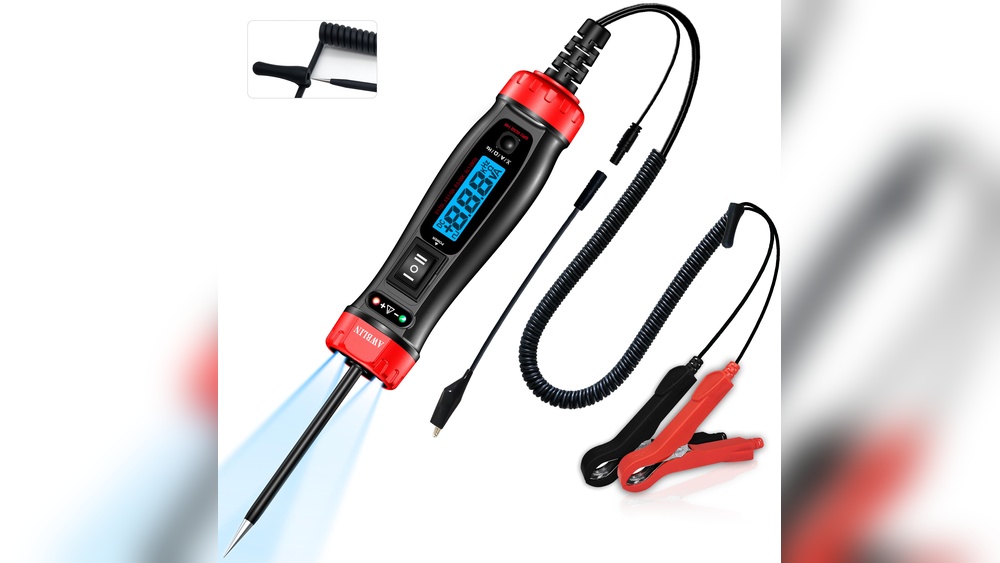
A Power Probe is an advanced electrical tester used mainly in automotive work. It looks like a thick pen or wand, with a digital screen and buttons. The probe connects to your vehicle’s battery, giving you direct access to power and ground.
You can use a Power Probe to:
- Test circuits for voltage and continuity
- Supply power or ground to components directly
- Activate devices (like lights or motors) for quick checks
- Read voltage levels digitally
Some models also offer features like resistance measurement, audio alerts, and even built-in circuit diagrams.
How A Power Probe Works
The Power Probe connects to both the positive and negative terminals of a battery. When you touch the tip to a wire or connector, it displays the voltage on its screen. With the press of a button, you can send power or ground to the tested component.
This lets you check if a part works without removing it or running extra wires.
Power Probe Models And Features
Power Probes come in different versions, from basic models to high-end ones with more functions. Here’s a quick comparison:
| Model | Display | Power Supply | Extra Features |
|---|---|---|---|
| PP Basic | LED | Yes | Audio alert |
| PP III | Digital | Yes | Resistance, polarity, circuit breaker |
| PP IV | LCD | Yes | Improved diagnostics, voltage readout |
What Is A Test Light?
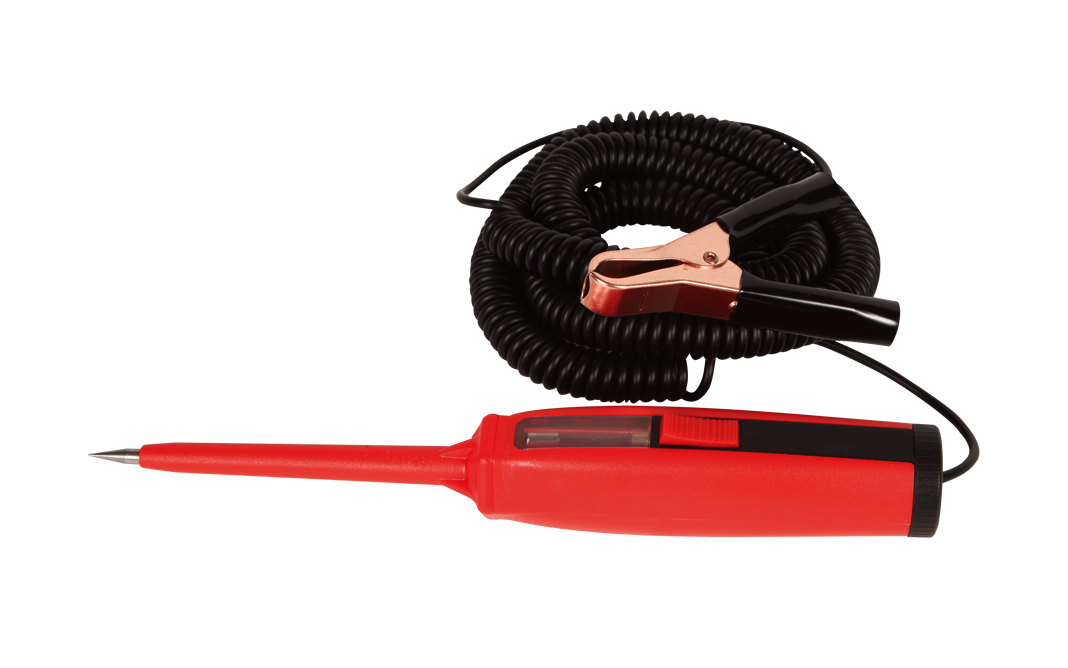
A Test Light is a simple tool that has been used for decades. It looks like a pen with a sharp tip and a wire ending in a clip. The clip connects to ground, and the tip touches the wire you want to test. If there is voltage, a small bulb inside lights up.
Test lights are popular because they’re:
- Cheap and easy to use
- Suitable for quick voltage checks
- Lightweight and portable
They don’t have fancy features, but they’re reliable for basic tasks.
How A Test Light Works
You connect the clip to a metal part or ground. When you touch the tip to a wire or connector, the bulb lights up if there’s voltage. No display, no buttons—just a clear visual signal.
Test lights come in different voltages:
- 6V for motorcycles or old cars
- 12V for most modern vehicles
- 24V for trucks or heavy equipment
Some test lights have LED bulbs instead of traditional ones, which are brighter and last longer.
Test Light Models And Features
While test lights are simple, there are some variations:
| Type | Voltage Range | Bulb Type | Durability |
|---|---|---|---|
| Basic | 6–12V | Incandescent | Low |
| Heavy-Duty | 6–24V | LED | High |
| Digital | 6–24V | LED + Display | Medium |
Comparing Power Probe And Test Light
Now that you know what each tool does, let’s see how they compare in real-world use.
Main Differences
| Feature | Power Probe | Test Light |
|---|---|---|
| Display | Digital/LED | Bulb/LED |
| Power Supply | Can supply power/ground | No power supply |
| Accuracy | High | Medium |
| Safety | More protected | Basic |
| Price | $50–$200 | $5–$25 |
| Complexity | Advanced | Simple |
When To Use Each Tool
- Power Probe is best for:
- Diagnosing complex automotive circuits
- Activating components without extra wiring
- Detecting voltage drops or bad grounds
- Testing relays, switches, and sensors
- Test Light is best for:
- Quick voltage checks
- Basic continuity tests
- Finding blown fuses
- Troubleshooting simple wiring
If you are a beginner or working on basic repairs, the test light is easier and safer. If you do advanced diagnostics or need to power up parts directly, a Power Probe saves time.
Common Mistakes To Avoid
- Using a Test Light on sensitive electronic circuits can damage components. Modern vehicles often have delicate modules that don’t handle extra load well.
- Relying only on a Power Probe for all tests may miss issues that a multimeter can detect, such as exact resistance or amperage.
- Not checking the voltage rating of your test light can give false results. Always match it to your circuit.
- Beginners often forget to check the ground connection. A weak ground can cause wrong readings for both tools.
Real-world Examples
Let’s see how each tool works in practical situations:
Example 1: Finding A Broken Wire
Suppose your car’s tail light isn’t working. Using a Test Light, you clip to ground and touch the connector. If the light doesn’t glow, there’s no voltage. Next, you move up the wire, checking each point. When the light turns on, you’ve found the break.
A Power Probe can do the same, but it also shows the exact voltage. If you see a drop from 12V to 8V, there might be corrosion or a weak connection.
Example 2: Checking A Relay
Relays control high-current devices like fuel pumps. With a Test Light, you can check if power reaches the relay coil. But with a Power Probe, you can activate the relay by supplying power directly, watching if the device turns on.
Example 3: Testing Sensors
Modern cars have sensors for everything—from temperature to speed. A Power Probe can test these sensors by reading their output voltage. If the reading is not within the expected range, the sensor is faulty. A test light can only show if voltage is present, not the exact value.
Advantages Of Power Probe
- Faster troubleshooting: Activate parts instantly, see digital readings.
- Safer testing: Built-in circuit breakers and audio alerts prevent damage.
- Versatile: Works on cars, trucks, motorcycles, boats.
- Detailed diagnostics: Shows voltage, polarity, resistance.
Advantages Of Test Light
- Low cost: Affordable for everyone.
- Simple operation: No buttons, no settings.
- Portable: Fits in your pocket or toolbox.
- Quick checks: Find blown fuses, bad grounds, and open circuits fast.

Credit: www.ebay.com
Limitations And Risks
Every tool has limits. For Power Probe:
- High price may not be justified for basic users.
- Sending power to the wrong wire can fry electronics.
- Requires some knowledge to avoid mistakes.
For Test Light:
- Can damage sensitive circuits if used improperly.
- Only shows presence of voltage, not its value.
- Hard to use in low-light conditions unless you have an LED model.
How To Choose The Right Tool
Think about your needs:
- Are you working on modern cars with complex electronics? Choose a Power Probe.
- Do you just need to check for power or ground? Use a Test Light.
- Are you on a budget? Test light is better.
- Do you need fast, detailed diagnostics? Power Probe wins.
For most DIY users, starting with a test light is enough. If you get more serious, a Power Probe is a smart upgrade. Experienced mechanics often carry both.
Credit: store.powerprobe.com
Practical Tips For Beginners
- Always read the manual for any tool. Even simple devices can cause problems if used wrong.
- Start with low-voltage circuits before moving to more complex tests.
- If you use a Power Probe, double-check the wire before sending power.
- Keep your tools clean and check the tips for corrosion.
- Practice on old wires or junk cars to build confidence.
Non-obvious Insights
- Test lights can cause voltage drop: When you use a test light, it draws a small current. On weak circuits, this can cause the voltage to drop, making you think there’s a problem when there isn’t. Power Probe’s digital readout avoids this.
- Power Probe’s ground test reveals hidden issues: If you touch the probe to a ground wire and see less than 0.1V, the ground is good. If it’s higher, you may have a hidden corrosion problem that a test light can’t show.
- LED test lights are safer for modern vehicles: Since they draw less current, they’re less likely to damage sensitive components.
Credit: electrozlab.com
Frequently Asked Questions
What Is The Main Difference Between A Power Probe And A Test Light?
The Power Probe is a digital tool that can supply power or ground, show voltage, and activate components. The Test Light is a simple tool that shows if voltage is present by lighting up a bulb.
Can A Test Light Damage Electronic Circuits?
Yes, using a Test Light on sensitive electronics can cause damage, especially in modern vehicles. Always use the right voltage range and consider an LED test light for safer operation.
Is A Power Probe Worth The Price For Beginners?
If you only do simple repairs, a Test Light is more cost-effective. But if you need faster, deeper diagnostics, a Power Probe can save time and prevent mistakes.
Can I Use Both Tools Together?
Yes. Many professionals use a Test Light for quick checks and a Power Probe for detailed testing. Each tool has its strengths.
Where Can I Learn More About Electrical Testing Tools?
For more detailed guides and reviews, visit Wikipedia’s Electrical Testing Tools page.
Electrical troubleshooting doesn’t have to be hard. Choosing the right tool—whether a Power Probe or Test Light—can help you work smarter, safer, and faster. As you gain experience, you’ll know which tool fits your task, saving time and protecting your equipment.