You might have heard about SDR (Software Defined Radio) and spectrum analyzers if you’re interested in radio, electronics, or wireless communication. These tools help us understand signals and frequencies, but they work in different ways and serve different purposes. Many beginners wonder which one is right for their needs, or if they should use both. This article will make everything clear, using simple English and real examples. By the end, you’ll know the differences, similarities, and practical uses of SDR and spectrum analyzers.
What Is Software Defined Radio (sdr)?
SDR is a modern radio technology. Instead of using hardware circuits for tuning, demodulation, and filtering, SDR uses computer software to perform these tasks. An SDR typically consists of a small device (USB dongle, box, or card) that connects to your computer.
The device receives radio signals and sends them to the computer. Software then processes these signals, showing them as audio, data, or visuals.
Key features of SDR:
- Flexible: You can change frequencies, modulation types, and filters with software.
- Affordable: Many SDR devices cost less than traditional radio hardware.
- Portable: Most SDRs are small and easy to carry.
- Upgradable: You can update the software to add new features.
Common SDR uses:
- Listening to FM radio
- Decoding digital signals (like ADS-B aircraft tracking)
- Amateur radio experiments
- Security research
Some popular SDR devices are RTL-SDR, HackRF, and SDRplay.
What Is A Spectrum Analyzer?
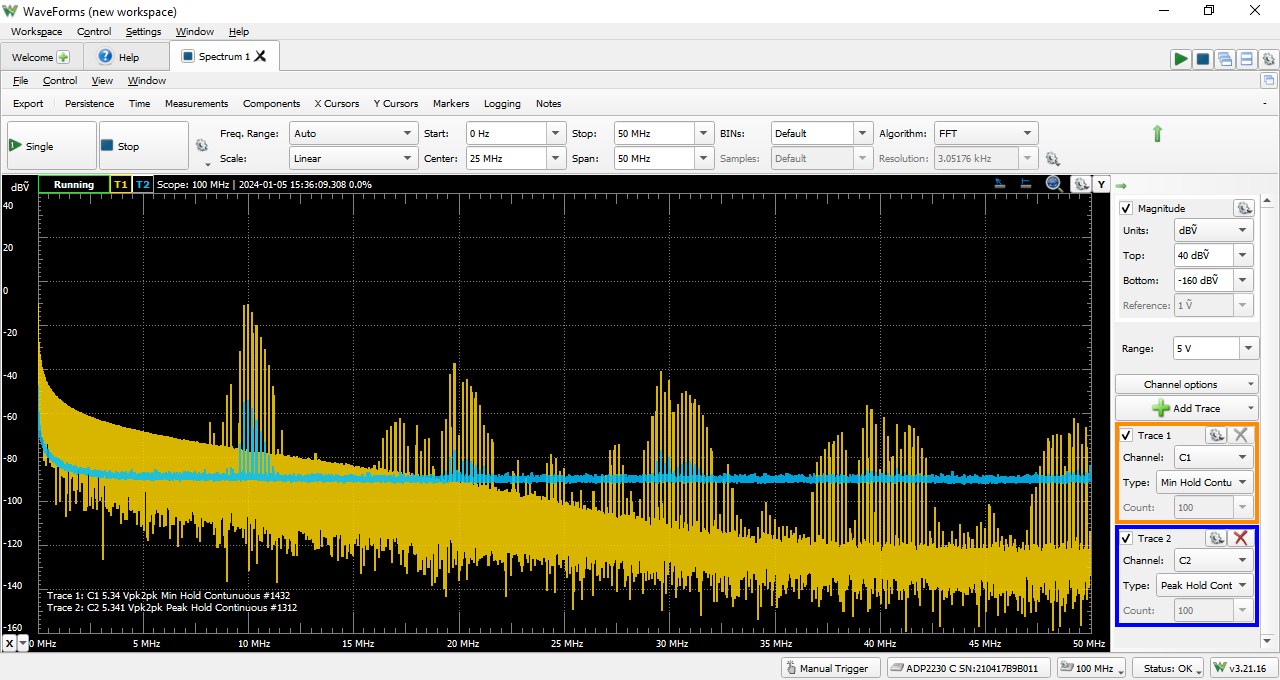
A spectrum analyzer is a specialized tool for measuring and visualizing radio frequencies. It shows the strength (power) of different signals across a frequency range. Spectrum analyzers are used in labs, industry, and by professionals who need to test or troubleshoot wireless systems.
Key features of spectrum analyzers:
- Accurate measurement: They show the power level of signals with high precision.
- Wide frequency range: Many can scan from a few hertz to several gigahertz.
- Display: They provide real-time visual graphs (frequency vs. amplitude).
- Hardware-based: Most spectrum analyzers rely on specialized hardware for fast, accurate analysis.
Typical uses:
- Testing wireless devices
- Finding interference sources
- Designing radio transmitters
- Compliance testing for regulations
Some well-known brands are Keysight, Rohde & Schwarz, and Tektronix.

Credit: signalhound.com
Sdr Vs Spectrum Analyzer: Main Differences
Understanding the differences between SDR and spectrum analyzers is key to choosing the right tool. Here’s a simple comparison:
| Feature | SDR | Spectrum Analyzer |
|---|---|---|
| Signal Processing | Software | Hardware |
| Price | Low to Medium | High |
| Accuracy | Good (depends on device) | Very High |
| Flexibility | Very Flexible | Limited by hardware |
| Frequency Range | Limited (usually less than 2 GHz) | Wide (up to 50 GHz+) |
| Portability | Portable | Bulky (some portable models exist) |
SDR is popular for experimentation, learning, and simple signal analysis. Spectrum analyzers are the standard for professional testing and measurement.
How Sdr Works: A Simple Example
Imagine you want to listen to FM radio and see the signals on your computer. You buy an RTL-SDR dongle for $30. You plug it into your computer, install free software like SDR# (SDRSharp), and select a frequency (e.g., 98.7 MHz). The software shows a graph of signals, lets you listen, and even record the audio.
You can switch to other frequencies, decode digital signals, or try advanced features like waterfall displays. The software turns your computer into a flexible radio lab.
How Spectrum Analyzers Work: A Practical Example
Suppose you work in a wireless company and need to test a new Wi-Fi transmitter. You connect the transmitter to a spectrum analyzer. The analyzer scans the frequency band (e.g., 2.4 GHz) and shows the signal’s strength, purity, and any unwanted noise. You can measure precise levels (in dBm), check for interference, and verify that your device meets legal requirements.
Professional spectrum analyzers cost thousands of dollars and are highly accurate. Some portable models exist, but most are used in labs.
Real-world Applications
Let’s see where SDR and spectrum analyzers shine:
- SDR for Hobbyists and Education
- Many radio enthusiasts use SDR to explore signals, decode weather satellites, or monitor aircraft.
- Schools use SDR to teach radio concepts because it’s affordable and interactive.
- Security researchers use SDR to analyze wireless communication, including Bluetooth and Zigbee.
- Spectrum Analyzer for Professionals
- Engineers rely on spectrum analyzers for designing and testing new wireless products.
- Telecom companies use them to monitor cellular networks and find interference.
- Regulatory agencies use spectrum analyzers to check signal compliance.
Non-obvious insight: SDR can sometimes act as a basic spectrum analyzer using software, but it cannot match the accuracy and dynamic range of a real spectrum analyzer.
Key Technical Differences Explained
To understand why spectrum analyzers are so accurate, it helps to look at their technical design. Spectrum analyzers use superheterodyne receivers, precision filters, and high-quality analog-to-digital converters. They are built for low noise, wide bandwidth, and high resolution.
SDR devices often have lower-quality front ends. They rely on software for signal processing, which gives flexibility but less precision. SDRs can miss weak signals or display noisy graphs, especially in crowded bands.
Here is a technical comparison for deeper clarity:
| Technical Parameter | SDR | Spectrum Analyzer |
|---|---|---|
| Dynamic Range | Typically 50–70 dB | 80–120 dB |
| Resolution Bandwidth | Limited by software and hardware | Very fine (as low as 1 Hz) |
| Noise Floor | Higher (more noise) | Lower (cleaner signals) |
| Sweep Speed | Slower | Fast (real-time) |
When Should You Use Sdr Or Spectrum Analyzer?
Choosing between SDR and spectrum analyzer depends on your needs and budget.
Sdr Is Best For:
- Learning about radio and signal processing
- Hobby projects and experimenting
- Basic signal monitoring (FM, AM, digital modes)
- Tracking aircraft, weather satellites, or decoding simple wireless signals
Spectrum Analyzer Is Best For:
- Professional signal measurement
- Regulatory compliance testing
- Design and troubleshooting of wireless products
- Detecting weak signals and interference in crowded bands
Common mistake: Beginners often think that SDR can replace a spectrum analyzer for all tasks. In reality, SDR is great for general exploration, but not for precise measurements.
Practical Tips For Beginners
- Start with SDR if you’re new to radio or electronics. Devices like RTL-SDR are cheap and easy to use.
- Use free software like SDR#, GQRX, or HDSDR. Explore different frequencies and signal types.
- If you need accurate measurements (power, purity, compliance), use a real spectrum analyzer.
- Don’t trust SDR for regulatory or safety testing. Use professional tools for critical work.
Non-obvious insight: Some advanced SDRs (like LimeSDR or USRP) come close to spectrum analyzer performance, but they are expensive and require technical skill.
Sdr As A Basic Spectrum Analyzer
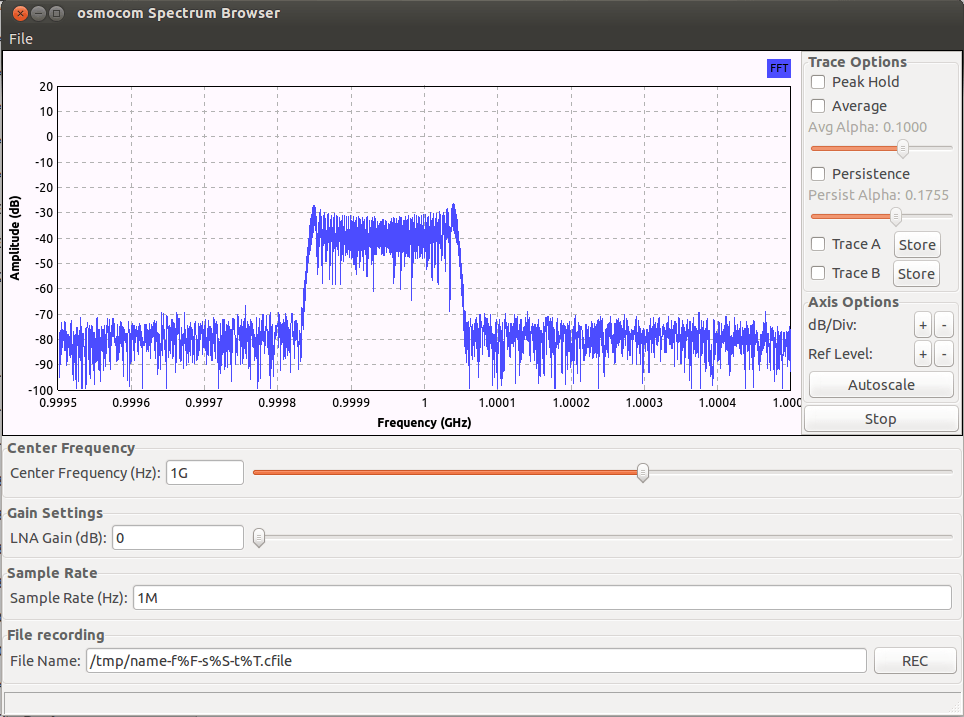
Many SDR applications offer spectrum display features. They show real-time graphs similar to a spectrum analyzer, but with less accuracy. This can help you spot strong signals or interference, but you won’t get detailed measurements.
| SDR Spectrum Display | Real Spectrum Analyzer |
|---|---|
| Visual only, rough signal strength | Precise, calibrated measurements (dBm, Hz) |
| Good for exploration | Good for testing and certification |
| Software-based, upgradable | Hardware-based, fixed features |
Credit: www.rtl-sdr.com
Future Trends
Both SDR and spectrum analyzer technology are advancing rapidly. SDRs are becoming more powerful, with better front-end chips and wider bandwidth. Some software now offers advanced spectrum analysis features. Spectrum analyzers are getting smaller and more connected, with USB and wireless models.
One interesting trend: Some spectrum analyzers now use SDR technology inside, mixing hardware and software for better performance and flexibility.
To learn more about SDR technology, you can visit the Wikipedia SDR page.
Frequently Asked Questions
What Is The Main Difference Between Sdr And A Spectrum Analyzer?
The main difference is signal processing: SDR uses software to process radio signals, making it flexible and affordable, while spectrum analyzers use hardware for accurate, precise measurement and visualization of signal strength and purity.
Can Sdr Replace A Spectrum Analyzer For Professional Tasks?
No. SDR can show basic spectrum displays and help with exploration, but it lacks the accuracy, dynamic range, and calibration needed for professional tasks like compliance testing or design.
How Much Does An Sdr Cost Compared To A Spectrum Analyzer?
SDR devices range from $20 to $400, depending on features. Spectrum analyzers are much more expensive, starting at $2,000 and going up to $100,000 for high-end models.
Can I Use Sdr To Detect Interference In My Wireless Network?
Yes, you can use SDR to spot strong interference, but it may not detect weak or complex signals accurately. For critical detection and measurement, use a spectrum analyzer.
What Software Is Best For Sdr Spectrum Analysis?
Popular SDR software includes SDR#, GQRX, and HDSDR. These programs offer spectrum displays and decoding features. For advanced analysis, try GNU Radio or LabVIEW with compatible SDR devices.
Credit: digilent.com
Final Thoughts
SDR and spectrum analyzers are both powerful tools for radio and wireless signal analysis. SDR offers flexibility and affordability, making it ideal for beginners, hobbyists, and education. Spectrum analyzers provide unmatched accuracy and reliability, which is essential for professional testing, design, and compliance.
While SDR can act as a basic spectrum analyzer, it cannot fully replace the real thing for demanding tasks. Understanding the differences, strengths, and limitations of each tool will help you make the best choice for your needs and projects.