Are you confused about whether to use a galvanometer or a multimeter for your electrical measurements? Understanding the key differences between these two tools can save you time, avoid mistakes, and improve the accuracy of your work.
You’ll discover exactly when to choose a galvanometer and when a multimeter is the better option. By the end, you’ll feel confident picking the right instrument for your needs every single time. Keep reading to unlock the secrets behind these essential devices!

Credit: www.teachoo.com
Galvanometer Basics
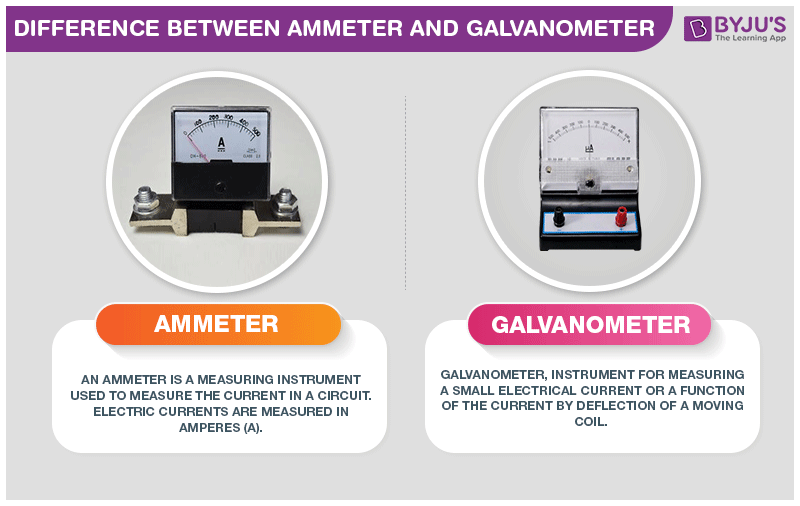
A galvanometer is a simple device that measures small electric currents. It shows the strength and direction of the current by moving a needle. This tool is important in many basic electrical experiments and instruments.
Understanding how a galvanometer works helps us see how it differs from a multimeter. The basics include its working principle, common uses, and types available.
Working Principle
A galvanometer works by detecting the magnetic effect of electric current. When current flows through a coil inside a magnetic field, the coil turns. This movement moves a needle on a scale. The needle’s position tells the size and direction of the current.
Common Uses
Galvanometers measure small currents in circuits and labs. They check batteries and electrical equipment. People use them to find faults in wires and devices. They also help in physics experiments to show current changes.
Types Of Galvanometers
There are several types of galvanometers based on design and use. Moving coil galvanometers are common and very sensitive. Moving iron galvanometers handle larger currents but are less precise. Mirror galvanometers use a small mirror to show needle movement with light.
Credit: www.electricaltechnology.org
Multimeter Essentials
A multimeter is a vital tool for anyone working with electricity or electronics. It measures different electrical properties, making it versatile and useful. Understanding its basics helps in choosing the right one for your needs. Multimeters come in various types and offer multiple functions. They help detect problems and check circuits quickly and safely.
Functions And Features
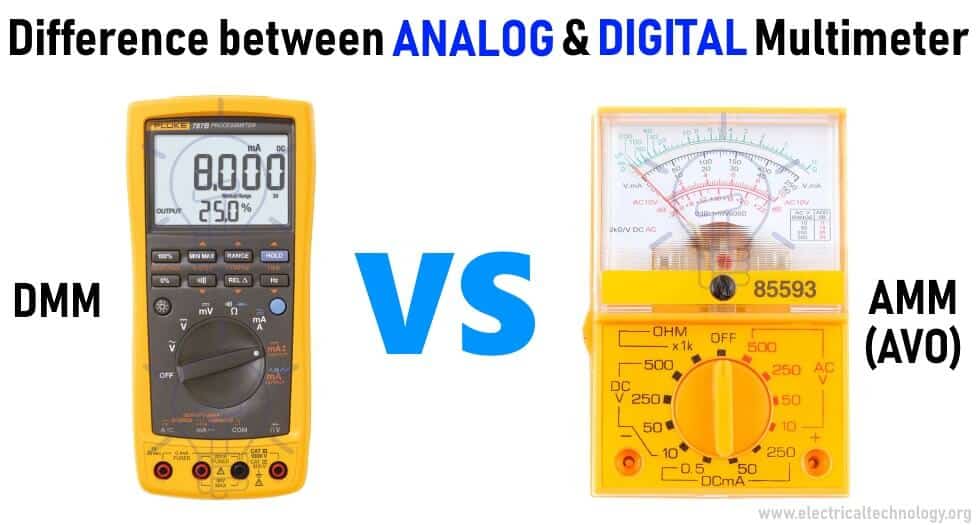
A multimeter measures voltage, current, and resistance. Some models also test continuity, capacitance, and temperature. Digital multimeters show readings on an easy-to-read screen. Analog ones use a needle and dial. Many have features like auto-ranging, data hold, and backlight. These features make testing faster and clearer. Safety features protect users from electric shocks.
Types Of Multimeters
There are two main types: analog and digital. Analog multimeters have a moving needle that points to values. Digital multimeters display numbers on a screen. Digital models are more common today. They are more accurate and easier to read. Some advanced multimeters are handheld and portable. Others are bench models used in labs and workshops.
Typical Applications
Multimeters are used in home, automotive, and industrial settings. They test batteries, wires, and electrical outlets. Electricians use them to troubleshoot circuits. Hobbyists use multimeters for DIY electronics projects. Engineers use them to design and test devices. Multimeters help ensure devices work safely and correctly.
Measurement Capabilities
Understanding the measurement capabilities of galvanometers and multimeters helps to choose the right tool. Each device has specific uses in electrical testing. Their strengths lie in how they measure current, voltage, and resistance. These differences affect their application in various tasks.
Current Measurement
A galvanometer measures small electric currents. It shows the direction and strength of current flow. It is very sensitive but works mainly with low currents.
A multimeter measures a wide range of current levels. It can handle both small and large currents. This makes it more flexible for general use.
Voltage Measurement
Galvanometers do not directly measure voltage. They detect current caused by voltage but need extra parts for voltage reading.
Multimeters measure voltage easily. They can test both AC and DC voltage. This feature makes multimeters useful for many electrical tasks.
Resistance Measurement
Galvanometers cannot measure resistance on their own. They require additional circuits to do so.
Multimeters measure resistance directly. They help check if wires and devices work well. This is important for fixing electrical problems.
Design And Construction
The design and construction of galvanometers and multimeters differ significantly. Each device serves a unique purpose, which shapes how they are built. Understanding these differences helps users choose the right tool for their needs.
Size And Portability
Galvanometers are usually small and delicate. They have a simple mechanical structure with a needle and coil. This design makes them less portable and more suited for fixed setups. Multimeters come in various sizes but are generally compact and easy to carry. Their plastic casing protects internal parts, making them suitable for fieldwork and daily use.
Display And Interface
Galvanometers feature an analog dial with a needle that moves over a scale. This display shows current strength in a visual way. Multimeters often have digital displays that show precise numbers. Many models include buttons and switches to select measurement modes. The interface of multimeters is user-friendly, designed for quick readings and versatility.
Power Source
Galvanometers usually do not need an external power source. They work by detecting current flow directly through the coil. Multimeters require batteries to power their digital circuits and backlight. Some advanced multimeters use rechargeable batteries or can connect to USB power. This power need makes multimeters more versatile but dependent on battery life.
Accuracy And Sensitivity
Accuracy and sensitivity are key factors in measuring electrical values. They determine how close the reading is to the true value and how small a change the device can detect. Both galvanometers and multimeters have unique strengths in these areas.
Precision Levels
Galvanometers offer high precision in detecting small currents. They show tiny changes clearly. Multimeters provide good accuracy for a wide range of measurements. Their precision depends on the model and settings. For exact current measurement, galvanometers usually perform better.
Response Time
Galvanometers react quickly to changes in current. They display real-time variations with little delay. Multimeters may take longer to stabilize readings. This makes galvanometers useful for observing fluctuating signals. Multimeters suit steady or average measurements better.
Limitations
Galvanometers are limited to measuring small currents only. They cannot measure voltage or resistance directly. Multimeters measure voltage, current, and resistance but may miss very small changes. Both tools have limits that affect their accuracy and sensitivity. Choose based on the measurement needs.
Usage Scenarios
Understanding the usage scenarios of galvanometers and multimeters helps choose the right tool. Each device fits specific tasks based on accuracy, portability, and function. Knowing where and how to use them makes work easier and results better.
Laboratory Settings
Galvanometers excel in precise current measurement in labs. They detect small electric currents and show exact needle deflection. Scientists use them for experiments needing high sensitivity.
Multimeters also have a place in labs. They measure voltage, current, and resistance quickly. Their versatility supports various tests and equipment checks without changing tools.
Field Work
Multimeters are popular in field work due to their portability. Electricians and technicians carry them for quick checks on circuits and batteries. Their rugged design suits outdoor and on-site tasks.
Galvanometers are less common in the field. Their delicate parts and need for stable conditions limit outdoor use. They remain mostly for controlled environments.
Educational Purposes
Galvanometers help students learn basic electricity concepts. Watching the needle move shows current flow visually. This hands-on tool builds strong foundational knowledge.
Multimeters teach practical skills in measuring different electrical properties. Students gain experience handling real-world tools. This prepares them for technical jobs and advanced studies.
Cost And Availability
Cost and availability play important roles in choosing between a galvanometer and a multimeter. These factors affect what device fits your budget and how easy it is to find one. Understanding the price and market options helps make the best choice for your needs.
Price Range
Galvanometers usually cost less than multimeters. They are simpler devices designed for specific tasks. Basic galvanometers can be found at low prices. More advanced models may cost more but still remain affordable.
Multimeters offer more functions, which raises their price. Simple multimeters start at moderate prices. Digital multimeters with extra features can be quite expensive. The price depends on brand, quality, and functionality.
Market Accessibility
Multimeters are widely available in many stores and online. They are common tools for electricians, technicians, and hobbyists. Finding a multimeter is easy in most countries.
Galvanometers are less common and harder to find. They are mostly sold by specialty suppliers or scientific equipment stores. Online shops may carry them, but stock can be limited.
Choosing The Right Instrument
Choosing the right instrument between a galvanometer and a multimeter depends on what you need to do. Both tools measure electrical properties, but they serve different purposes. Picking the correct one helps you get accurate results and work efficiently.
Based On Application
Galvanometers detect small electric currents and show movement on a needle. They work well in physics experiments or sensitive electrical measurements. Multimeters measure voltage, current, and resistance. They fit better for general electrical testing and troubleshooting.
User Skill Level
Galvanometers need careful handling and some knowledge of electrical circuits. Multimeters are easier for beginners to use. Many models have clear digital displays and simple buttons. Beginners can quickly learn to measure basic electrical values with a multimeter.
Long-term Benefits
Galvanometers offer precise readings but have limited use outside labs. Multimeters are versatile and useful for many tasks over time. Investing in a multimeter saves money and space. It supports a wide range of electrical projects and repairs.
Credit: byjus.com
Frequently Asked Questions
What Is The Main Difference Between Galvanometer And Multimeter?
A galvanometer measures small electric currents by needle deflection. A multimeter measures voltage, current, and resistance with digital or analog displays.
How Does A Galvanometer Work Compared To A Multimeter?
A galvanometer detects current flow using magnetic needle movement. A multimeter uses electronic circuits to measure voltage, current, and resistance accurately.
Can A Multimeter Replace A Galvanometer In Measurements?
Yes, a multimeter can replace a galvanometer for most electrical measurements. It offers more functions and greater precision in readings.
Which Device Is Better For Measuring Small Currents?
A galvanometer is more sensitive for detecting very small currents. Multimeters are generally less sensitive but more versatile in measurements.
Conclusion
Both galvanometers and multimeters help measure electrical values. A galvanometer shows current direction and strength. A multimeter offers more functions like voltage, current, and resistance checks. Choose a galvanometer for simple current detection tasks. Pick a multimeter for versatile and detailed electrical testing.
Understanding their differences helps pick the right tool. This knowledge saves time and avoids errors. Use the tool that fits your needs best. Simple tools, clear results.