Many engineers and technicians face a common problem: How do you measure and analyze signals quickly and accurately? Two popular tools often used for this purpose are the dynamic signal analyzer and the spectrum analyzer. Both devices can show you what’s happening inside electronic circuits, machines, and audio systems. But they are not the same, and choosing the right one can save you time, money, and effort.
Let’s explore how these analyzers work, where they shine, and what makes them different. If you’re new to signal testing, you’ll find practical examples and easy explanations that will help you understand these tools. If you’re experienced, you’ll see fresh insights and data that can improve your measurement skills.
What Is A Dynamic Signal Analyzer?
A dynamic signal analyzer (DSA) is a device that measures, analyzes, and displays signals in the time and frequency domain. DSAs are designed mainly for low-frequency signals, such as those found in mechanical systems, audio devices, and vibration testing. They help you see how a signal changes over time and which frequencies are present.
DSAs use Fast Fourier Transform (FFT) technology. This lets them break down complex signals into their frequency components. You can see both the waveform (how the signal changes in time) and the spectrum (how much energy is in each frequency).
Common uses include:
- Vibration analysis in machines
- Audio testing for speakers and microphones
- Modal testing for structures and materials
- Mechanical diagnostics in automotive and aerospace
Most DSAs operate from below 1 Hz up to about 100 kHz, but some advanced models go higher.
What Is A Spectrum Analyzer?
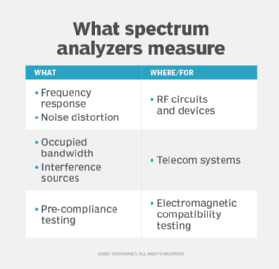
A spectrum analyzer measures the amplitude of signals across a range of frequencies. It’s used mainly for high-frequency signals like radio waves, microwaves, and telecommunications. Spectrum analyzers are essential in RF (radio frequency) engineering, broadcasting, and wireless communications.
They display signal strength versus frequency. Unlike DSAs, spectrum analyzers usually do not show the time-domain waveform. They focus on the frequency domain, helping you find interference, noise, and unwanted signals.
Typical uses include:
- RF signal testing in antennas and transmitters
- Electromagnetic interference (EMI) detection
- Telecommunications troubleshooting
- Wireless device certification
Most spectrum analyzers work from a few Hz up to several GHz (billions of cycles per second).
Core Differences: Dynamic Signal Analyzer Vs Spectrum Analyzer
Understanding the main differences can help you choose the best tool for your needs. Here is a comparison of their key features:
| Feature | Dynamic Signal Analyzer | Spectrum Analyzer |
|---|---|---|
| Frequency Range | Low (0.01 Hz–100 kHz) | High (up to 50 GHz) |
| Signal Type | Mechanical, audio, vibration | RF, microwave, wireless |
| Measurement Domain | Time & frequency | Frequency only |
| Analysis Method | FFT-based | Superheterodyne or FFT |
| Display | Waveform & spectrum | Spectrum |
| Typical Use | Vibration, modal, audio | RF, telecom, EMI |
How Dynamic Signal Analyzers Work
DSAs use FFT algorithms to convert signals from the time domain to the frequency domain. Here’s a simple process:
- Signal Input: The analyzer receives a voltage signal from a sensor (like an accelerometer or microphone).
- Digitization: The signal is sampled and converted to digital form.
- FFT Calculation: The device computes the FFT to break down the signal into frequencies.
- Display: The result appears as a spectrum (frequency vs amplitude), and often as a waveform (amplitude vs time).
DSAs can record signals over time and analyze transient events (short bursts or changes). For example, if a machine vibrates due to a loose part, a DSA can help pinpoint the frequency and timing of that event.
Practical Example
Imagine you are troubleshooting a noisy car engine. You place a vibration sensor on the engine and connect it to a DSA. The DSA shows peaks at certain frequencies, revealing which parts are causing the noise. You can also monitor how the vibration changes as the engine speed increases.

Credit: en.wikipedia.org
How Spectrum Analyzers Work
Spectrum analyzers usually use a superheterodyne receiver technique. This means they convert incoming signals to a lower frequency, filter them, and measure their amplitude.
- Signal Input: The analyzer receives a high-frequency signal from an antenna or cable.
- Frequency Conversion: The signal is shifted to an intermediate frequency.
- Filtering: Only the selected frequency range passes through.
- Detection: The analyzer measures the amplitude of each frequency.
- Display: The spectrum (frequency vs amplitude) appears on the screen.
Modern spectrum analyzers may also use FFT for digital signals, especially at lower frequencies.
Practical Example
Suppose you need to check if a Wi-Fi router is working correctly. You use a spectrum analyzer and see the signal at 2. 4 GHz. If there is interference from other devices, you’ll see extra peaks in the spectrum. This helps you find and fix problems fast.
Key Applications And Industries
Both analyzers are important in many industries, but they serve different roles. Here’s how they fit into key fields:
Dynamic Signal Analyzer
- Automotive: Detects vibration problems in engines, suspensions, and brakes.
- Aerospace: Analyzes stress and vibrations in aircraft structures.
- Manufacturing: Monitors machine health and prevents breakdowns.
- Audio Engineering: Measures loudspeaker and microphone performance.
- Civil Engineering: Checks the integrity of bridges and buildings through modal testing.
Spectrum Analyzer
- Telecommunications: Diagnoses signal problems in cell towers, satellites, and fiber optic links.
- Broadcasting: Ensures clear transmission of radio and TV signals.
- Wireless Networks: Finds interference in Wi-Fi, Bluetooth, and LTE systems.
- EMI/EMC Testing: Verifies devices meet regulatory standards for electromagnetic emissions.
- Military and Defense: Monitors radar and communication signals.
Comparing Measurement Accuracy And Speed
Accuracy and speed are critical when analyzing signals. Both devices have strengths and weaknesses.
| Measurement Factor | Dynamic Signal Analyzer | Spectrum Analyzer |
|---|---|---|
| Accuracy | High for low-frequency signals; sensitive to noise | High for high-frequency signals; may miss fast transients |
| Speed | Fast FFT processing; real-time data | Fast for narrowband; slower for wideband sweeps |
| Resolution | Fine detail for vibration/audio | Fine for RF; resolution bandwidth adjustable |
| Transient Analysis | Excellent (captures short events) | Limited (mainly continuous signals) |
Non-obvious Insight
Many beginners think spectrum analyzers can capture any signal quickly. In reality, they may miss brief events unless you use a real-time spectrum analyzer. DSAs are better at capturing short, changing signals because they record and analyze both time and frequency domains.
Choosing The Right Analyzer
Picking the right tool depends on what you need to measure. Here are important factors to consider:
- Frequency Range: If your signals are below 100 kHz, use a DSA. For signals in MHz or GHz, use a spectrum analyzer.
- Signal Type: Mechanical, audio, and vibration signals need a DSA. RF, microwave, and wireless signals need a spectrum analyzer.
- Analysis Needs: If you need time-domain data (like waveforms), a DSA is best. For frequency-only data, choose a spectrum analyzer.
- Portability: DSAs are often portable for field use. Spectrum analyzers can be large, but handheld models exist.
- Budget: DSAs are usually less expensive for low-frequency work. Spectrum analyzers for high-frequency can cost more.
Avoid the mistake of buying a tool based only on price or brand. Always check the frequency range, resolution bandwidth, and input type. Some modern devices combine both functions, but they may sacrifice accuracy or speed.
Advanced Features And Modern Trends
Today’s analyzers are smarter and more flexible. Here are some features you might find in modern devices:
- Digital Recording: Save and export signal data to a computer.
- Remote Control: Use software to control analyzers from a distance.
- Automated Testing: Run pre-set tests for quick diagnostics.
- Real-Time Analysis: Capture and process signals instantly, useful for fast-changing environments.
- Integration with Sensors: Connect with accelerometers, microphones, antennas, and more.
Data Table: Typical Price Range (2024)
| Analyzer Type | Entry Level Price | Professional Price |
|---|---|---|
| Dynamic Signal Analyzer | $2,000 | $15,000+ |
| Spectrum Analyzer | $1,500 | $50,000+ |
Common Beginner Mistakes
Even experienced technicians can make errors when using signal analyzers. Here are mistakes to avoid:
- Wrong Frequency Setting: Setting the wrong range can hide important signals.
- Ignoring Resolution Bandwidth: Using too wide or too narrow a bandwidth affects accuracy.
- Poor Signal Connection: Loose cables or bad sensors create noise.
- Missing Transient Events: Not recording data can mean missing short problems.
- Overlooking Calibration: Uncalibrated devices give false readings.
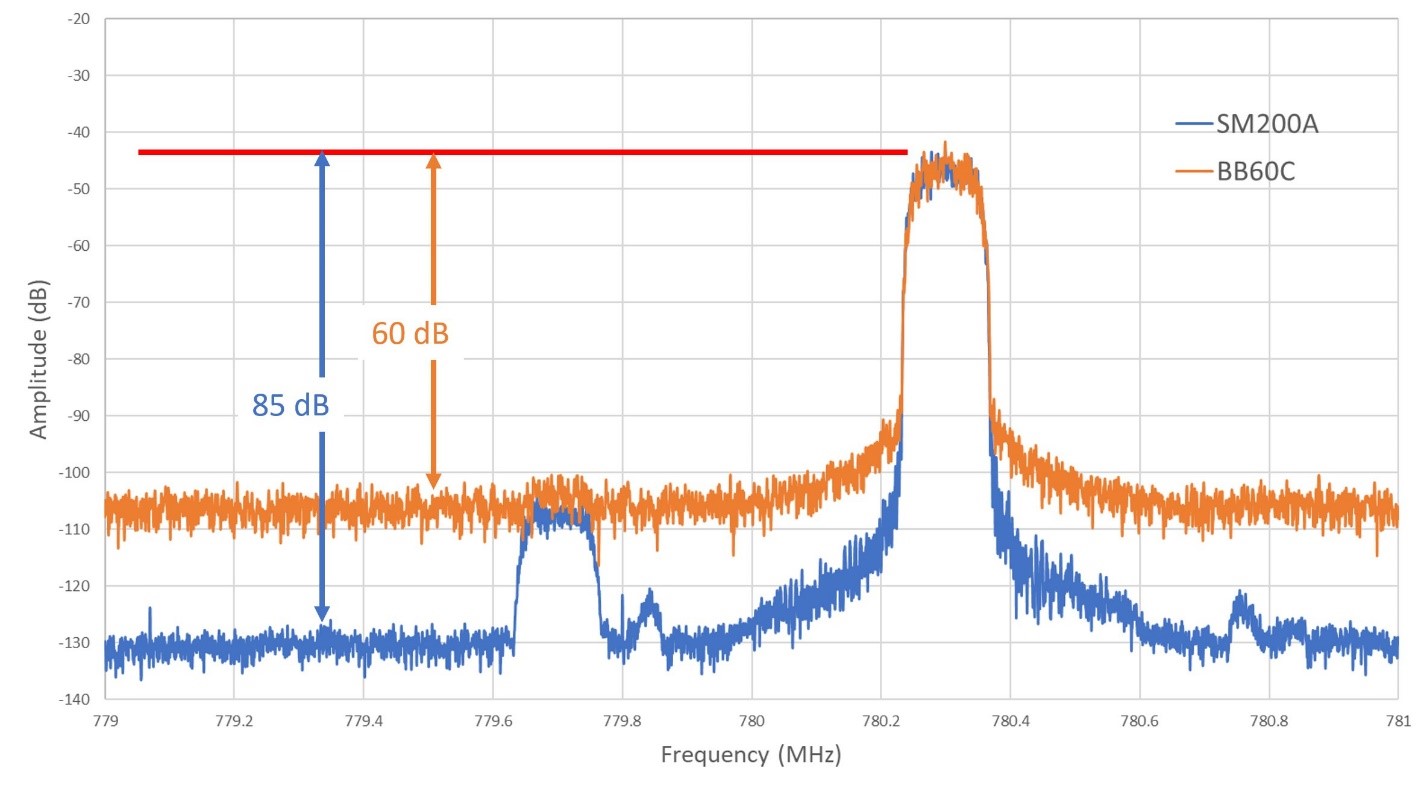
A practical tip: Always check your analyzer’s settings before every test. Use calibration standards to verify accuracy.
Credit: signalhound.com
Real-world Case Study
A factory had frequent breakdowns in its conveyor motors. Engineers used a DSA to analyze vibration signals. The analyzer showed a spike at 60 Hz, linked to electrical interference. After fixing the grounding, the problem disappeared.
In another case, a telecom company found signal loss in its cell towers. Using a spectrum analyzer, they discovered interference from a nearby radio station. Changing the frequency solved the issue.
Frequently Asked Questions
What Is The Main Difference Between A Dynamic Signal Analyzer And A Spectrum Analyzer?
A dynamic signal analyzer measures both time and frequency domains, focusing on low-frequency signals like vibration and audio. A spectrum analyzer measures only the frequency domain, mainly for high-frequency signals like RF and wireless.
Can I Use A Spectrum Analyzer For Vibration Analysis?
No, spectrum analyzers are not designed for vibration signals. Use a dynamic signal analyzer for accurate vibration and mechanical testing.
Are There Devices That Combine Both Functions?
Yes, some modern analyzers offer combined features. However, they may not match the performance of specialized devices in each area. Always check specifications before buying.
Which Analyzer Is Better For Audio Testing?
A dynamic signal analyzer is better for audio because it can capture waveforms, analyze frequencies, and measure distortion and noise.
How Do I Choose The Right Analyzer For My Project?
Consider your signal’s frequency range, type, and required analysis. If you need to see both time and frequency, pick a DSA. For high-frequency and RF work, choose a spectrum analyzer. Review device specs and avoid common mistakes.
If you want to learn more about signal analysis technology, visit Wikipedia for additional details.
Signal analyzers are powerful tools that help solve engineering challenges. By understanding the differences and knowing how to use them, you can make smarter decisions and deliver better results for your projects.
Credit: www.techtarget.com