Understanding the safety and reliability of electrical equipment is essential in industries like manufacturing, power generation, and consumer electronics. Two important tests help ensure this safety: the Dielectric Withstanding Voltage (DWV) Test and the Insulation Resistance (IR) Test. Both play a major role in quality control, but they have different purposes, methods, and results. If you work with electrical products or care about their safety, knowing the difference between these tests is important. Let’s break down what each test means, how they’re performed, and why both matter for electrical safety.
What Is Dielectric Withstanding Voltage Test?
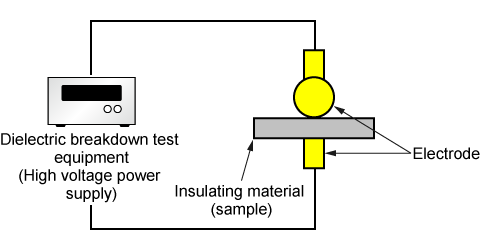
The Dielectric Withstanding Voltage Test, also called the hipot test, checks how well electrical insulation can resist high voltage without breaking down. This test applies a voltage much higher than what the equipment will normally see in operation. The goal is to ensure that the insulation will not fail, even if there are short, unexpected voltage spikes.
During this test, high voltage is applied between different parts of the equipment—often between the live parts and the ground. The current that leaks through the insulation is closely monitored. If it stays below a set value, the equipment passes.
If too much current flows, the insulation has failed, and the device is unsafe.
Key Features Of The Dwv Test
- Purpose: Checks insulation strength against high voltage
- Test Voltage: Usually 2x or more the operating voltage
- Duration: Often 1 minute, but can be shorter for production testing
- Pass Criteria: Leakage current must not exceed a defined threshold
Example
Suppose a power supply is rated for 240V operation. The DWV test may apply 1500V AC for 60 seconds between the power line and the case. If the insulation holds, the device passes.
What Is Insulation Resistance Test?
The Insulation Resistance Test measures how well insulation resists the flow of electric current under normal conditions. Instead of stressing the insulation with very high voltage, it uses a moderate DC voltage (usually 500V, 1000V, or 2500V, depending on the system). The result is a value in megaohms (MΩ) that shows how much the insulation resists current flow.
This test is often used during maintenance, after repairs, or as a routine check. A high insulation resistance value means the insulation is good. If the resistance drops, it suggests moisture, dirt, aging, or damage to the insulation.
Key Features Of The Ir Test
- Purpose: Measures quality of insulation under normal use
- Test Voltage: Moderate DC voltage (500V, 1000V, etc.)
- Measurement: Resistance in megaohms (MΩ)
- Pass Criteria: Must be above a set minimum value
Example
A motor’s windings are tested with 1000V DC. If the measured insulation resistance is over 100 MΩ, the motor is safe to use. If it’s below the minimum (e. g. , 1 MΩ), further investigation is needed.
Credit: www.matsusada.com
How Are The Tests Performed?
Both DWV and IR tests require specific steps and safety measures. Here’s a closer look at how each test is done in practice.
Dielectric Withstanding Voltage Test Procedure
- Preparation: Disconnect the device from power. Remove sensitive parts if needed.
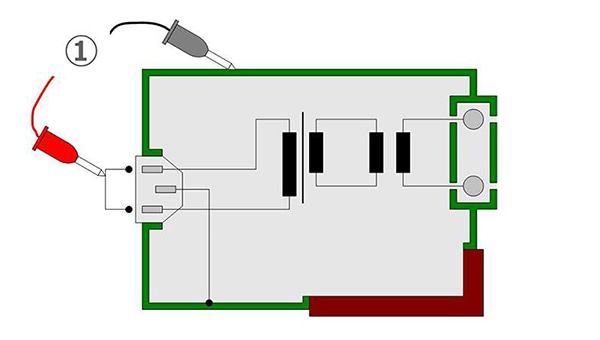
- Connection: Attach the test leads between the parts being tested (e.g., line to ground).
- Voltage Application: Slowly increase the voltage to the required test value.
- Monitoring: Observe the leakage current for the set duration.
- Decision: Pass if current is below the threshold; fail if not.
Safety Note: Because the test uses high voltage, only trained personnel should perform it, and proper safety barriers must be in place.
Insulation Resistance Test Procedure
- Preparation: Make sure the device is powered off and discharged.
- Connection: Connect the IR tester between the insulation and ground.
- Voltage Application: Apply the set DC voltage.
- Measurement: Read the resistance value after a few seconds.
- Decision: Pass if resistance is above the minimum required; fail if not.
Main Differences: Dwv Test Vs Insulation Resistance Test
It’s easy to confuse these two tests because both are about insulation. But they measure different things and are used for different reasons. This comparison makes it easier to see the contrast:
| Aspect | Dielectric Withstanding Voltage Test | Insulation Resistance Test |
|---|---|---|
| Test Voltage | High (often 2x or more operating voltage) | Moderate (500V, 1000V DC) |
| Measurement | Leakage current (mA or μA) | Resistance (MΩ) |
| Purpose | Checks insulation withstand under stress | Assesses insulation quality in normal use |
| Result | Pass/Fail (based on leakage current) | Numeric value (resistance) |
| When Used | Type tests, factory acceptance, safety approval | Routine maintenance, troubleshooting |
| Risk | Possible insulation damage if overdone | Low risk, non-destructive |
Why Both Tests Matter For Electrical Safety
Manufacturers and engineers often use both tests because they give different information. The DWV test is like a stress test for the insulation—it shows if the product can survive accidental overvoltages. The IR test is more about day-to-day health, finding small issues before they become major failures.
For example, a cable may pass the DWV test but still have low insulation resistance due to moisture or dirt. This is why both are important:
- DWV Test: Proves no weak spots in insulation at high voltage.
- IR Test: Finds early-stage damage, moisture, or contamination.
Together, they give a full picture of insulation quality.
Real-world Examples
Electrical Motors
Motors are used everywhere, from factories to household appliances. After winding the motor, manufacturers run a DWV test to ensure there are no defects. Later, users or maintenance teams do regular IR tests. A sudden drop in IR value might warn of water ingress or insulation aging, long before it causes a short circuit.
Power Cables
Cables in power plants are tested with DWV before installation. After years of use, technicians measure their insulation resistance to check for aging or damage. This schedule helps prevent electrical fires and failures.
Consumer Electronics
Even devices like microwave ovens and power adapters go through DWV testing in the factory. This is to guarantee user safety. Maintenance usually involves IR testing, especially in high-reliability environments.
Credit: blog.samtec.com
Industry Standards And Test Requirements
Both tests are required by many international standards. Some of the most common include:
- IEC 60204-1: Safety of machinery—electrical equipment
- IEC 60335: Household appliances
- UL 61010: Laboratory equipment
- IEEE 43: Insulation resistance of rotating machines
Each standard specifies test voltages, minimum resistance values, and pass/fail criteria. For example, IEEE 43 recommends a minimum IR value of (kV+1) MΩ for rotating machines, where kV is the rated voltage.
Common Mistakes And Misconceptions
Even experienced technicians can make errors with these tests. Here are some pitfalls to avoid:
- Mixing Up the Tests: Thinking a high IR value means insulation can survive a hipot test, or vice versa. They measure different things.
- Overtesting with DWV: Applying the DWV test too often or at too high voltage can damage insulation, especially on aged equipment.
- Ignoring Temperature and Humidity: IR values drop when humidity is high or temperature rises. Always note environmental conditions.
- Not Discharging Equipment: After a DWV or IR test, equipment can retain a dangerous charge. Always discharge safely before touching.
- Using Wrong Test Voltage: For both tests, use the voltage recommended by standards or equipment manuals.
How To Choose The Right Test For Your Situation
Which test should you use? It depends on your goal:
- For factory acceptance or type approval, the DWV test is essential.
- For routine maintenance or trend analysis, use the IR test.
- If you’re troubleshooting a suspected insulation problem, start with the IR test. If the value is low, fix the problem before doing a DWV test.
- Never use a DWV test as the first step on old or suspect equipment—you might cause more damage.
Data: Test Voltage And Resistance Examples
To help you see typical values, here’s a quick guide:
| Equipment | DWV Test Voltage (AC) | Typical IR Test Voltage (DC) | Minimum IR Value (MΩ) |
|---|---|---|---|
| Low-voltage appliance | 1000–1500 V | 500 V | 1–5 MΩ |
| High-voltage motor | 2000–3000 V | 1000 V | 100–500 MΩ |
| Power cable | 2x rated voltage | 1000–2500 V | 500–1000 MΩ |
These values are general guidelines—always check the standard for your specific equipment.
Two Insights Beginners Usually Miss
- A Pass in One Test Doesn’t Guarantee a Pass in the Other: Many new technicians think that if a cable passes the DWV test, its insulation must also have high resistance. But moisture or contamination can give high leakage current (failing DWV) but still show high resistance on an IR test, or vice versa.
- Aging Effects Are Not Linear: Over time, insulation resistance can slowly decrease due to aging, but the ability to withstand high voltage (DWV) can drop suddenly with one breakdown event. That’s why tracking IR over time is important, and why even “good” insulation can fail DWV testing suddenly.
Frequently Asked Questions
What Happens If A Device Fails The Dwv Test But Passes The Ir Test?
If a device fails the DWV test but passes the IR test, it means the insulation cannot handle high voltage stress, even though its resistance is still good at low voltage. This can happen if there are tiny cracks or defects that only show up at high voltage.
The device should not be used until repaired or replaced.
How Often Should Insulation Resistance Testing Be Done?
For critical equipment like motors, generators, and power cables, insulation resistance testing should be done at regular intervals—often yearly, or before and after major repairs. Some industries test before every startup, especially in wet or harsh environments.
Can These Tests Damage Equipment?
The DWV test can damage insulation if performed too often or at too high a voltage, especially on older devices. The IR test is generally safe if you use the correct voltage. Always follow manufacturer guidelines and safety procedures.
Are These Tests Required By Law?
In many industries, yes. Electrical safety standards like IEC, UL, and IEEE require both DWV and IR tests for certain products. Local electrical codes may also mandate them for workplace safety. Check your region’s regulations or consult a safety engineer.
Where Can I Learn More About Standards For These Tests?
A good place to start is the International Electrotechnical Commission (IEC). Their standards are recognized worldwide. You can also find clear explanations at Wikipedia and through industry organizations.
Testing insulation isn’t just a checkbox on a safety form—it’s a key part of protecting equipment, workplaces, and people. By understanding the difference between the Dielectric Withstanding Voltage Test and the Insulation Resistance Test, you make better choices for safety and reliability.
Whether you’re a technician, an engineer, or a manager, knowing when and how to use each test will help you keep systems running smoothly and prevent costly failures.
Credit: www.hioki.com