Oscilloscopes are essential tools in electronics. They help engineers, students, and technicians measure signals, diagnose circuit problems, and develop new devices. Two brands stand out in this field: Tektronix and Agilent (now called Keysight Technologies). Both have a long history, strong reputations, and wide product ranges. But which is better for your needs? This guide will help you understand the differences, strengths, and weaknesses of Tektronix vs Agilent oscilloscopes. You’ll find real-world comparisons, practical advice, and insights that most beginners overlook.
History And Reputation
Tektronix started in 1946 in Oregon, USA. They quickly became a leader in test and measurement equipment. Their oscilloscopes were known for quality, reliability, and innovation. Many universities and labs have used Tektronix for decades.
Agilent Technologies was formed from Hewlett-Packard’s measurement division in 1999. Later, Agilent became Keysight Technologies in 2014. Their oscilloscopes are famous for accuracy, speed, and advanced features. Agilent/Keysight is trusted by engineers in aerospace, automotive, and communications.
Both brands are respected worldwide. Tektronix is known for easy-to-use designs. Agilent is praised for technical performance and cutting-edge features.
Key Features Compared
When choosing an oscilloscope, focus on the features that matter most to your work. Let’s break down the main differences.
Bandwidth
Bandwidth shows how fast an oscilloscope can measure signals. Higher bandwidth means you can measure faster signals.
| Brand | Entry-Level Bandwidth | Mid-Range Bandwidth | High-End Bandwidth |
|---|---|---|---|
| Tektronix | 70 MHz | 500 MHz | 10 GHz |
| Agilent/Keysight | 50 MHz | 500 MHz | 33 GHz |
Agilent’s top models reach higher bandwidths, which is useful for advanced RF work. Tektronix covers most needs, but Agilent leads in high-speed testing.
Sample Rate
Sample rate is how many times per second the oscilloscope captures data. More samples mean better detail.
| Brand | Entry-Level Sample Rate | Mid-Range Sample Rate | High-End Sample Rate |
|---|---|---|---|
| Tektronix | 1 GS/s | 2.5 GS/s | 25 GS/s |
| Agilent/Keysight | 1 GS/s | 5 GS/s | 80 GS/s |
Agilent’s premium models have higher sample rates, making them ideal for complex signal analysis.
User Interface And Display
Tektronix focuses on simple, clear interfaces. Their screens are easy to read, and menus are straightforward. Agilent offers customizable displays, touchscreens, and deep menu options.
Tektronix models are often preferred by beginners because of their simplicity. Agilent/Keysight models appeal to users who want advanced control and options.
Connectivity And Integration
Modern oscilloscopes connect to computers, networks, and other devices. Both brands offer USB, LAN, and HDMI connections.
Agilent offers more software integration, like remote operation and cloud storage. Tektronix provides basic connectivity, which works well for small labs and classrooms. For advanced automation, Agilent’s solutions are more flexible.
Performance In Real-world Use
Oscilloscope performance is not only about specs. It’s about reliability, speed, and usability in daily work.
Signal Fidelity
Agilent’s high-end models have better signal fidelity. This means the measured signal looks closer to the real signal. Their noise floor is lower, so you see less unwanted signal.
Tektronix oscilloscopes are strong in mid-range models. Their signal quality is good enough for most electronics projects and professional tasks.
Triggering Options
Triggering helps you capture specific parts of a signal. Tektronix offers basic triggers: edge, pulse, and video. Agilent has more advanced triggers, including protocol-level triggers for USB, Ethernet, and automotive signals.
If you work with digital communications, Agilent’s triggering is more powerful. For simple analog signals, Tektronix is enough.
Memory Depth
Memory depth is how much signal the oscilloscope can store. More memory means you can capture longer signals.
| Brand | Entry-Level Memory | Mid-Range Memory | High-End Memory |
|---|---|---|---|
| Tektronix | 2.5 Mpts | 10 Mpts | 250 Mpts |
| Agilent/Keysight | 2 Mpts | 20 Mpts | 1 Gpts |
Agilent’s top models allow much deeper signal capture. This is important for analyzing long or complex waveforms.
Pricing And Value
Price is a big factor for most buyers. Both brands offer entry-level, mid-range, and high-end models.
- Tektronix entry models start around $400.
- Agilent/Keysight entry models start around $600.
- Mid-range Tektronix models cost $2,000–$10,000.
- Mid-range Agilent models cost $3,000–$12,000.
- High-end Tektronix models can reach $50,000.
- High-end Agilent/Keysight models can cost $100,000 or more.
Tektronix is usually more affordable, especially for basic and mid-level scopes. Agilent/Keysight costs more but offers extra features and higher specs.
Hidden Costs
Beginners often miss some hidden costs:
- Software options: Advanced analysis tools may require paid upgrades.
- Probes and accessories: High-quality probes can cost hundreds of dollars.
- Warranty extensions: Extended support and warranty add to the total price.
Always check what’s included before buying.
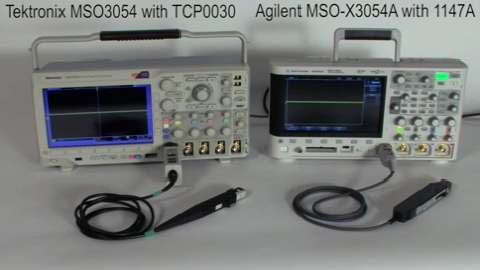
Credit: www.tek.com
Ease Of Use
Tektronix is famous for its easy setup and clear controls. Their manuals are simple, and training videos are widely available.
Agilent/Keysight offers more features, but the interface can be complex. It’s great for experienced users, but beginners may need extra time to learn.
Learning Curve
If you’re new to oscilloscopes, Tektronix is easier to start with. For advanced users, Agilent/Keysight provides more room to grow.
Many labs use Tektronix for teaching, while Agilent/Keysight is found in research and industry.
Reliability And Support
Both brands are reliable. Tektronix offers strong customer support, with many service centers and online resources.
Agilent/Keysight has a global support network and detailed technical help. Their warranty terms are often longer, especially for premium models.
If you need fast repairs, both brands respond quickly. Agilent/Keysight’s premium support is better for large companies.
Credit: www.ebay.com
Common Mistakes When Choosing
Many buyers make mistakes when picking an oscilloscope:
- Ignoring bandwidth needs: Choose a scope with at least 3–5 times your signal’s highest frequency.
- Underestimating memory depth: If you analyze long signals, more memory is crucial.
- Overpaying for features: Don’t buy advanced options you’ll never use.
- Not checking software compatibility: Make sure the scope works with your analysis tools.
Think carefully about your main tasks and future needs.
Real-world Examples
- A university electronics lab uses Tektronix MDO series for student projects. Their scopes are easy to use and durable, ideal for beginners.
- An automotive company uses Agilent Infiniium series for CAN bus analysis. They need advanced triggers and deep memory for complex signals.
- A startup chooses Tektronix TBS2000 for prototype testing. It’s affordable and reliable.
- A telecom lab prefers Agilent/Keysight 90000 series for high-speed signal testing. High bandwidth and sample rate are critical.
These examples show that both brands fit different users. Your choice depends on your work, budget, and skill level.
Tektronix Vs Agilent: Side-by-side Summary
Here’s a summary of the main points:
| Feature | Tektronix | Agilent/Keysight |
|---|---|---|
| Ease of Use | Very simple | Advanced, complex |
| Bandwidth | Up to 10 GHz | Up to 33 GHz |
| Sample Rate | Up to 25 GS/s | Up to 80 GS/s |
| Memory Depth | Up to 250 Mpts | Up to 1 Gpts |
| Price | Lower | Higher |
| Software Integration | Basic | Advanced |
| Support | Strong | Global, premium |
Non-obvious Insights
- User experience matters more than specs: Many beginners focus on numbers like bandwidth and sample rate. But usability, support, and learning resources often make a bigger difference in daily work.
- Upgrade paths can save money: Some Tektronix and Agilent models allow upgrades. You can start with basic features and add options later. This is cheaper than buying a fully-loaded scope upfront.
Practical Advice For Buyers
- If you’re a student, hobbyist, or small lab, Tektronix is usually a better value. Its scopes are easier to use, and the prices are lower.
- If you’re an advanced engineer or need high-speed testing, Agilent/Keysight is worth the extra investment.
- Always try a demo before buying. Hands-on testing reveals the interface, speed, and display quality better than specs alone.
- Check the warranty and support options. Fast service can save you days of downtime.
For more detailed technical comparisons, visit the official Keysight Oscilloscope site.
Frequently Asked Questions
What Is The Main Difference Between Tektronix And Agilent Oscilloscopes?
The main difference is focus. Tektronix is known for simple, user-friendly scopes with good performance for most tasks. Agilent/Keysight provides higher bandwidth, sample rates, and advanced features for experts. Agilent’s top models are preferred in high-tech industries, while Tektronix fits education and general electronics.
Which Brand Is Better For Beginners?
Tektronix is better for beginners. Their controls are simple, manuals are clear, and prices are lower. You can learn basics faster and avoid confusion. Agilent/Keysight scopes are more complex, with advanced features that may not be useful for new users.
Are Agilent Oscilloscopes Worth The Higher Price?
If you need high-end specs like very high bandwidth, deep memory, or advanced triggers, Agilent/Keysight is worth the price. Their scopes excel in demanding environments. For basic or mid-level tasks, Tektronix offers similar quality at a lower cost.
Can I Upgrade Features Later?
Yes, many models from both brands allow upgrades. You can add bandwidth, memory, or software options later. This is smart if your needs might grow. Check upgrade costs before buying, as they vary by model.
How Do I Choose The Right Oscilloscope?
Start by listing your main tasks: signal types, speed, and analysis needs. Choose a scope with at least 3–5 times your signal’s highest frequency. Make sure it has enough memory and easy controls. Compare support and warranty options. Test the interface if possible, and avoid overpaying for features you won’t use.
Choosing between Tektronix and Agilent oscilloscopes depends on your needs, skills, and budget. Both brands are leaders, but their strengths serve different users. Take time to compare specs, usability, and support before deciding. With the right oscilloscope, your work becomes faster, easier, and more reliable.

Credit: www.youtube.com