When working with electrical signals, especially for diagnosing problems or designing circuits, two essential tools often come up: the lab scope and the oscilloscope. Many people, especially beginners, confuse these instruments or think they are the same. However, while they share similarities, they also have key differences that matter a lot in practice. Understanding these differences can save time, money, and frustration—whether you’re a technician, an engineer, or a hobbyist. In this article, you’ll discover what sets a lab scope apart from a regular oscilloscope, when to use each, and how to choose the right one for your needs.
What Is An Oscilloscope?
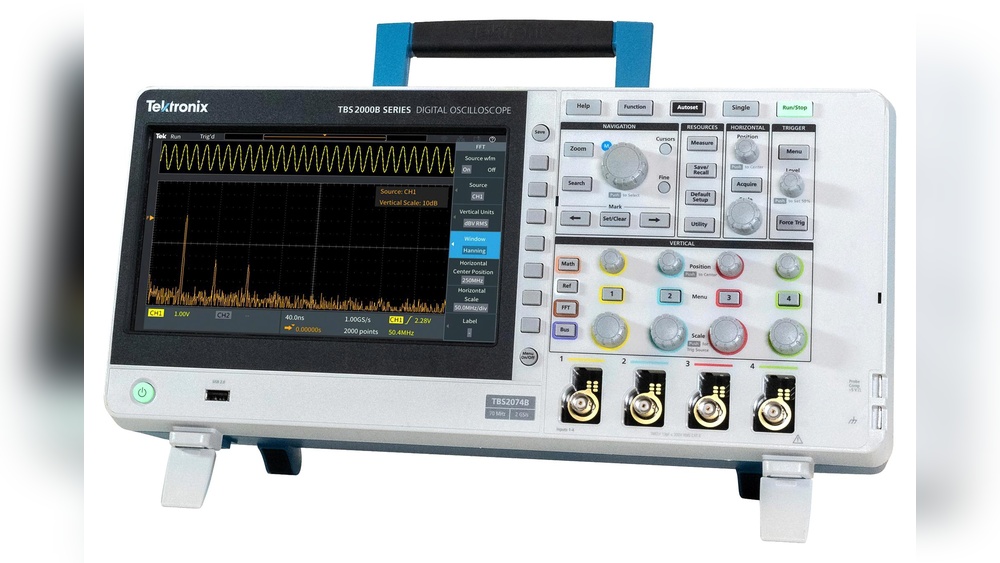
An oscilloscope is a test instrument that shows how electrical signals change over time. On its screen, you see a graph with voltage on the vertical (Y) axis and time on the horizontal (X) axis. This lets you see waveforms, spikes, and patterns in electrical signals—crucial for troubleshooting and analyzing circuits.
Oscilloscopes come in several types:
- Analog oscilloscopes: Older style, use a CRT display, good for smooth waveforms.
- Digital oscilloscopes: Use digital screens, store data, allow for more advanced analysis.
- Handheld oscilloscopes: Portable, battery-powered, useful for fieldwork.
Common Uses
Oscilloscopes are popular in electronics labs, repair shops, and research centers. They help you:
- Visualize AC or DC signals
- Measure voltage levels and timing
- Detect glitches, noise, or interference
- Test audio, radio, or microcontroller circuits
For example, if you want to see if a microcontroller output is generating the right pulse, an oscilloscope lets you check the exact shape and timing of the signal.
Basic Features
Most oscilloscopes provide:
- Multiple channels: Usually 2 or 4, to compare several signals
- Adjustable timebase: To zoom in/out of the signal’s time
- Trigger controls: To start measuring at the right moment
- Probes: For connecting to test points
Digital models often add advanced features like math functions, waveform storage, and USB ports for data export.
What Is A Lab Scope?
A lab scope is a type of oscilloscope specially designed for automotive diagnostics and other fieldwork involving complex, noisy environments. While it works on the same basic principle—showing voltage versus time—its hardware and software are tuned for real-world applications, especially vehicles.
Key Differences From Standard Oscilloscopes
- Input protection: Lab scopes are built to survive voltage spikes and electrical noise common in cars.
- Specialized probes: Support for sensors like ignition pickups, current clamps, or pressure transducers.
- Automotive-focused features: Software options for RPM measurement, injector balance, or signal decoding (CAN, LIN, etc. ).
- Portability: Most lab scopes are lightweight, USB-powered, and connect to a laptop or tablet.
Where Are Lab Scopes Used?
Lab scopes are the go-to tool for:
- Diagnosing engine misfires
- Checking crankshaft and camshaft sensors
- Verifying fuel injector signals
- Testing alternator and starter circuits
Unlike traditional oscilloscopes, lab scopes are optimized for the messy, unpredictable signals you find in cars and trucks.
Lab Scope Vs Oscilloscope: Side-by-side Comparison
To make things clearer, here is a direct comparison of the main features and uses:
| Feature | Oscilloscope | Lab Scope |
|---|---|---|
| Main Use | General electronics, engineering | Automotive diagnostics, noisy environments |
| Input Protection | Standard | High, to handle voltage spikes |
| Signal Range | Wide (high-frequency signals) | Optimized for low-frequency, noisy signals |
| Probes | Basic voltage probes | Specialized probes (clamps, transducers) |
| Software Tools | Waveform analysis, math functions | Automotive tests (RPM, sensor decoding) |
| Portability | Varies (benchtop/handheld) | Mostly portable, USB-powered |
| Price | Broad range ($200–$5000+) | Usually $300–$1500 |
When To Use A Lab Scope
If you work on cars, trucks, or any vehicle with complex electronics, a lab scope is almost always the better choice. Here’s why:
- Survives harsh environments: Automotive systems can have random voltage spikes and lots of electromagnetic noise. Standard oscilloscopes might get damaged or miss signals.
- Reads sensor signals: Many car sensors use signals that are hard to see with a regular oscilloscope. Lab scopes are designed to catch these.
- Automated tests: Many lab scopes come with preset tests for things like ignition patterns, injector balance, or alternator ripple—saving time.
- Portable and flexible: You can carry a lab scope easily around the shop or the field, connect it to your laptop, and store results for reports.
Example: Diagnosing A No-start Engine
A car comes in that won’t start. Using a lab scope, you check:
- Crankshaft position sensor: Is the signal present and clean?
- Injector pulse: Is the computer sending the signal?
- Ignition coil: Is the firing pattern normal?
With a regular oscilloscope, you might see some signals, but you’ll have to adjust settings often, and you risk damaging the instrument if voltage spikes happen.
Credit: electrozlab.com
When To Use An Oscilloscope
A general-purpose oscilloscope is the right choice for electronics design, bench testing, or research where you need high bandwidth and precision. Key situations include:
- Testing high-frequency signals: Radio, digital communication, or audio work needs the higher speed of standard oscilloscopes.
- Circuit development: Engineers designing new products use oscilloscopes to debug timing, signal shape, and more.
- Educational labs: Teaching how electronics work, measuring AC signals, checking for noise.
- Precise measurement: Accurate voltage, frequency, and time measurements at a wide range of speeds.
Example: Debugging A Microcontroller Board
Suppose you’re designing a new circuit. You need to check:
- Clock signals: Are they stable and at the right frequency?
- Data lines: Are digital signals clean or noisy?
- Power rails: Is there ripple or noise?
An oscilloscope’s wide bandwidth and sharp display make it ideal for this kind of precise work.
Key Technical Differences
While both tools display voltage over time, some technical aspects separate them:
Bandwidth
- Oscilloscope: Often up to 100 MHz or more—can capture fast, sharp signals.
- Lab scope: Usually 1–20 MHz—enough for automotive signals but not for radio or fast digital circuits.
Sampling Rate
- Oscilloscope: Higher sample rates (up to 1 GSa/s or more) allow for capturing quick events.
- Lab scope: Lower sample rates, optimized for longer time windows and slow signals.
Input Channels
- Oscilloscope: Typically 2 or 4.
- Lab scope: Often 2 to 4, but some offer more for complex diagnostics.
Input Voltage Handling
- Lab scope: Designed to tolerate accidental high voltages, a common risk in cars.
- Oscilloscope: Less tolerant, unless you use special high-voltage probes.
Here’s a summary:
| Parameter | Oscilloscope | Lab Scope |
|---|---|---|
| Bandwidth | 20–500 MHz (or more) | 1–20 MHz |
| Sampling Rate | Up to 1 GSa/s | Up to 100 MSa/s |
| Input Voltage Protection | Standard (needs care) | High (built for spikes) |
| Special Features | Math, FFT, protocol decode | Automotive tests, preset setups |

Credit: autoditex.com
How To Choose: Key Factors To Consider
Selecting between a lab scope and an oscilloscope depends on your work. Here’s what really matters:
- Type of signals
- Automotive sensors and actuators? Go for a lab scope.
- High-speed or very precise signals? Choose an oscilloscope.
- Environment
- Working in a garage, shop, or out in the field? A lab scope is made for rough conditions.
- Working at a bench in an office or lab? An oscilloscope gives you more precision.
- Budget
- Oscilloscopes cover a wide price range. Entry-level digital models start around $200, while high-end lab scopes can cost $1500 or more.
- If you need both, some brands offer hybrid models, but they may compromise on features.
- Expansion and software
- Need specific automotive tests and guided diagnostics? Look for a lab scope with strong software support.
- Want advanced signal math, protocol decoding, or PC connectivity? Many modern oscilloscopes offer these.
Common Buyer Mistakes
- Ignoring input protection: Using a standard oscilloscope on a car can destroy it if a voltage spike occurs.
- Buying too much bandwidth: High-bandwidth scopes cost more, but automotive signals rarely need more than 20 MHz.
- Skipping software features: Basic scopes may lack the automated tests that save hours in a busy shop.
Non-obvious Insights For Beginners
- Signal quality isn’t just about bandwidth. In automotive diagnostics, noise resistance and the ability to handle bad connections are often more important than raw speed.
- Probes matter as much as the scope. The right clamp or sensor adapter can make a diagnosis possible where a basic probe fails.
- Waveform storage and sharing: Lab scopes often have better options for storing, labeling, and exporting data—crucial for making reports or sharing with customers.
- Preset tests save time: With a lab scope, you can often select a sensor or system from a menu, and the software sets up the scope automatically. This speeds up work and reduces errors.
- Hybrid devices exist: Some high-end oscilloscopes offer automotive features, but they usually cost more and may not be as rugged.

Credit: www.northerntool.com
Real-world Example: Picoscope
One leading brand is Pico Technology, which makes both oscilloscopes and lab scopes. Their PicoScope Automotive line is a favorite among professional mechanics. These lab scopes connect to a laptop, provide guided tests for hundreds of car systems, and include specialized probes. For electronics work, Pico also offers high-bandwidth oscilloscopes for engineers.
For more details on the technical differences between oscilloscopes and lab scopes, you can visit the Oscilloscope Wikipedia page.
Frequently Asked Questions
What Is The Main Difference Between A Lab Scope And An Oscilloscope?
The main difference is that a lab scope is designed for automotive diagnostics and harsh environments, with input protection and automotive-focused features, while a general oscilloscope is made for electronics and engineering, offering higher bandwidth and precision.
Can I Use A Regular Oscilloscope For Car Diagnostics?
You can use a regular oscilloscope for some basic automotive tests, but it may not survive voltage spikes, and it might miss or misinterpret certain noisy or complex signals. A lab scope is safer and more effective for cars.
Are Lab Scopes More Expensive Than Oscilloscopes?
Not always. Basic lab scopes and oscilloscopes can cost about the same. High-end oscilloscopes with advanced features are usually more expensive than most lab scopes, but some specialized lab scopes for heavy-duty diagnostics can also be pricey.
Do I Need Special Probes For A Lab Scope?
Yes. Lab scopes often use specialized probes like current clamps or ignition pickups. These are designed to safely and accurately measure automotive signals. Using standard oscilloscope probes may not give good results in cars.
Which Is Better For A Beginner: Lab Scope Or Oscilloscope?
If you mainly work with cars or trucks, start with a lab scope. If you’re learning general electronics, a standard oscilloscope is better. Each tool is best in its own field.
In summary, both the lab scope and oscilloscope are powerful tools, but each shines in different situations. Knowing the unique strengths and weaknesses of each helps you work smarter, diagnose problems faster, and avoid costly mistakes.