Lead exposure is a silent threat, often affecting people before they even realize it. Whether you’re worried about workplace hazards, old paint at home, or contaminated water, testing for lead is essential. But when it comes to choosing a lead test, should you trust a blood test or a urine test? Each method tells a different story about your exposure and health risk. Understanding these differences can help you make smarter decisions about your health and safety.
What Is Lead And Why Does Testing Matter?
Lead is a heavy metal once used in paint, gasoline, pipes, and even toys. Today, we know it’s toxic. Even low levels can harm the brain, kidneys, and other organs—especially in children. The Centers for Disease Control and Prevention (CDC) reports that no amount of lead in the body is safe. Early detection through testing is critical because lead poisoning often causes no obvious symptoms until serious damage has occurred.
Testing helps:
- Detect recent or ongoing exposure
- Guide treatment and prevention
- Monitor the effectiveness of interventions
But not all tests are equal. The right choice depends on what you want to know about your exposure.
Blood Lead Test: The Gold Standard
A blood lead test is the most common and reliable way to check for lead exposure. It measures the amount of lead currently circulating in the bloodstream.
How The Blood Lead Test Works
A healthcare provider takes a small blood sample, usually from a finger or arm. The sample is then analyzed in a lab to measure the micrograms of lead per deciliter of blood (µg/dL).
- Normal result: Less than 3.5 µg/dL (CDC reference level for children)
- Elevated result: 5 µg/dL or higher (calls for action)
What Blood Lead Levels Tell You
Blood tests show recent or ongoing lead exposure. Since lead leaves the blood within weeks, high results typically mean you have been exposed recently or are still exposed.
Example:
A child living in an old house with peeling paint may show rising blood lead levels. If the source is removed, levels will drop over months.
Advantages Of Blood Lead Testing
- Direct measure of current exposure
- Widely used and well-understood
- Helps guide immediate action, such as removing the source or starting treatment
Limitations
- Doesn’t reflect long-term or past exposure
- Can miss chronic, low-level exposure if tested after lead has left the blood
When Blood Lead Testing Is Recommended
- Children aged 1-6, especially in high-risk areas
- Pregnant women in old homes or with certain jobs
- Workers in battery plants, construction, or similar industries
- Anyone with symptoms of lead poisoning
Urine Lead Test: Assessing The Body’s Burden
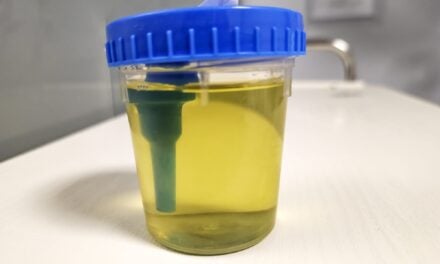
A urine lead test checks for lead that is leaving the body through urine. This test can show both recent and, sometimes, past exposure—especially with certain techniques.
How The Urine Lead Test Works
You provide a urine sample. Sometimes, your doctor may use a chelation challenge: you take a medicine that pulls lead out of your tissues, which is then measured in your urine.
Two Main Types:
- Spot urine test: Single sample; less accurate due to variations in urine concentration.
- 24-hour urine test: Collects all urine over 24 hours; gives a more complete picture.
What Urine Lead Levels Tell You
Urine tests are helpful for:
- Detecting chronic exposure (when lead is stored in bones and slowly released)
- Monitoring workers already diagnosed with lead poisoning
- Checking effectiveness of chelation therapy
Advantages Of Urine Lead Testing
- Reveals lead stored in the body, not just in the blood
- Useful in monitoring treatment progress
- Can detect exposure not seen in blood tests, especially after exposure has stopped
Limitations
- Less reliable for detecting recent exposure unless a chelation agent is used
- Results can be affected by hydration, kidney function, and collection errors
- Harder to interpret without a chelation challenge
When Urine Lead Testing Is Used
- After chelation therapy to assess treatment
- For occupational health monitoring in some industries
- To investigate long-term exposure if blood test is normal but suspicion remains
Key Differences Between Blood And Urine Lead Tests
Choosing between a blood lead test and a urine lead test depends on what you need to know. Here’s a side-by-side look at their main differences:
| Feature | Blood Lead Test | Urine Lead Test |
|---|---|---|
| Measures | Recent or ongoing exposure | Lead leaving the body (sometimes after chelation) |
| Sample type | Blood | Urine |
| Best for | Detecting current exposure | Monitoring treatment, assessing stored lead |
| Common use | Routine screening, diagnosis | Occupational monitoring, post-chelation |
| Limitations | Misses old exposures | Varies with hydration, less reliable for recent exposure |
Credit: clpmag.com
Understanding Test Results: What Do The Numbers Mean?
Interpreting lead test results can be tricky. The meaning of a result depends on the test type and your personal situation.
Blood Lead Levels
- Below 3.5 µg/dL: Considered low, but no level is truly safe
- 3.5–4.9 µg/dL: Above average, may need monitoring
- 5 µg/dL or higher: Action needed—identify and remove the source
Urine Lead Levels
Urine results are reported as micrograms per liter (µg/L) or per 24 hours. Values above 20–50 µg/L (without chelation) may suggest significant exposure, but interpretation varies by lab and context.
Important: After chelation, urine lead can be much higher, as the body is actively clearing stored lead.
Factors That Affect Test Results
- Age: Children absorb more lead and are more sensitive.
- Time since exposure: Blood levels drop weeks after exposure ends; urine may reveal past exposure if chelation is used.
- Kidney function: Poor kidneys can affect urine lead results.
- Hydration: Diluted urine gives lower lead readings.
When To Use Both Tests
In some cases, both tests are needed for a full picture. For example:
- A worker with long-term exposure: Blood test shows if they are being exposed now; urine test (after chelation) shows stored lead.
- A child with past exposure: Blood test may be normal, but a urine chelation test could reveal hidden risk.
Doctors may order both tests if:
- You have symptoms but normal blood lead
- You’re undergoing or have completed chelation therapy
- There’s suspicion of chronic, past exposure

Credit: mms.mckesson.com
Lead Exposure: Who Is Most At Risk?
Certain groups are more vulnerable to lead poisoning:
- Young children: Their brains are still developing, and they absorb more lead than adults.
- Pregnant women: Lead can cross the placenta and harm the baby.
- Workers: People in construction, battery manufacturing, or recycling may be exposed.
- People living in older homes: Houses built before 1978 often have lead-based paint.
Exposure can come from:
- Old paint and dust
- Lead pipes and contaminated water
- Imported toys, jewelry, or cosmetics
- Some traditional medicines or cosmetics
Non-obvious Insights: What Many Miss About Lead Testing
- Lead can hide in bones for decades. Blood and urine tests may both appear normal long after exposure ends. Under stress (like pregnancy), the body can release stored lead from the bones back into the blood, causing new symptoms years later.
- Symptoms often appear late. Headaches, stomach pain, or developmental delays in children can be mistaken for other problems. This makes regular testing important in high-risk groups, even if no symptoms are present.
- Lead dust is a hidden hazard. Even tiny amounts of dust can raise blood lead levels. Cleaning with dry brooms or vacuums can spread lead dust, while wet cleaning methods reduce risk.

Credit: www.sciencedirect.com
Comparing Costs And Accessibility
The availability and cost of each test can matter, especially for families or workers without good insurance.
| Test Type | Typical Cost (US) | Availability | Insurance Coverage |
|---|---|---|---|
| Blood Lead Test | $20–$100 | Most clinics, pediatricians | Usually covered for children |
| Urine Lead Test | $30–$150 | Specialty labs, some clinics | Covered if medically necessary |
Blood tests are usually easier to get and faster to process. Urine tests, especially with chelation, may need to be sent to specialized labs.
Which Test Is Right For You?
If you want to know about current, recent exposure, a blood lead test is the best first step. If you’re checking for long-term exposure, monitoring treatment, or have ongoing symptoms but a normal blood test, a urine test (especially after chelation) may be needed.
Here’s a quick guide:
- Blood test: Best for routine screening, acute symptoms, children, and pregnant women
- Urine test: Best for monitoring treatment, chronic exposure, or special cases
Still unsure? Consult a healthcare professional. They can help decide which test fits your situation and how to interpret the results.
Steps To Take After An Elevated Lead Test
If your lead test is high:
- Identify and remove the source. This may mean fixing old paint, changing jobs, or using filtered water.
- Follow up with your doctor. They may suggest repeat testing, chelation therapy, or other treatments.
- Protect children. Even small exposures can have lifelong effects. Make sure your home and environment are lead-safe.
- Inform local health authorities. In many places, high lead levels in children must be reported to public health officials.
Reliable Resources For More Information
For more details about lead testing and prevention, the US CDC offers comprehensive guidance. Visit their site at CDC – Lead Information for the most up-to-date recommendations.
Frequently Asked Questions
What Symptoms Should Make Me Get A Lead Test?
If you have fatigue, stomach pain, headaches, irritability, or developmental delays in children, consider a lead test. However, many people with lead poisoning have no symptoms at all.
How Often Should Children Be Tested For Lead?
Children in high-risk areas or homes built before 1978 should be tested at ages 1 and 2, and possibly again later if risk continues.
Can I Use Home Test Kits Instead Of Blood Or Urine Tests?
Home kits can detect lead in paint, dust, or water, but not in the body. Only medical blood or urine tests can check for exposure inside you.
Is Chelation Therapy Always Needed For High Lead Levels?
No. Chelation therapy is used only for very high levels or if symptoms are severe. Most cases require removing the source and monitoring.
Which Occupations Have The Highest Risk For Lead Exposure?
Jobs such as construction, battery manufacturing, recycling, painting, and radiator repair are among the highest risk. Workers should have regular lead testing.
Whether you are worried about your child, your own health, or workplace safety, understanding the difference between blood and urine lead tests can make a big difference. Testing is the first step to protecting yourself and your loved ones from the silent danger of lead exposure.